
1. Introduction to Batting Play in T20 World Cup Live Cricket
The excitement of the T20 World Cup goes far beyond just watching cricket — it’s about understanding the rhythm, momentum, and strategy behind every shot played on the field. One of the biggest factors that shapes modern matches is Batting Play, which combines aggressive scoring, smart decision-making, and real-time analysis. Whether you are new to cricket or someone who follows live scores daily, learning how Batting Play works can completely change how you experience the game.

T20 cricket is known for its fast pace and high energy. Unlike traditional formats, every ball matters, and a single over can change the direction of a match. Because of this, Batting Play has evolved into a dynamic style that balances risk and reward. Fans now follow live action through real-time updates, analytics dashboards, and commentary insights that help them understand not just what happened — but why it happened.
Understanding the Rise of Batting Play in T20 Cricket
Over the years, the T20 World Cup has transformed batting from a slow, calculated approach into a powerful, strategy-driven performance. Players no longer wait for opportunities; they create them. Modern Batting Play focuses on:
- Quick shot selection based on field placement
- Rotating strike to maintain pressure
- Power hitting during crucial overs
- Adapting to live match conditions
This shift has made live cricket more engaging for viewers. Beginners can enjoy the excitement of big shots, while intermediate fans appreciate the tactical depth behind each batting decision. As teams analyze opponent weaknesses in real time, Batting Play becomes more data-driven than ever before.
Why Live Updates Make Batting Play More Engaging
In earlier years, fans depended on television broadcasts alone. Today, live cricket platforms provide ball-by-ball insights, predictive stats, and player performance metrics. These features help viewers understand how Batting Play evolves throughout a match.
For example, when a team loses early wickets, live analytics may show a drop in run rate. A skilled batter then adjusts their approach — playing safer shots before accelerating later. Real-time updates allow fans to see these shifts instantly, making the viewing experience more interactive.
Some benefits of following Batting Play through live updates include:
- Instant access to strike rate changes
- Visual graphs showing scoring momentum
- Player comparison stats during partnerships
- Commentary insights explaining tactical decisions
These tools make cricket easier to understand, especially for readers who are still learning the sport.
Batting Play as a Strategy, Not Just Entertainment
Many beginners think batting is simply about hitting boundaries. In reality, successful Batting Play involves planning several overs ahead. Teams analyze bowler patterns, pitch behavior, and match pressure before deciding how aggressively to play.
Consider a scenario where a batter slows down during the middle overs. This isn’t always a mistake — it may be a calculated move to save energy for the final overs. Experienced fans recognize these strategic moments, which adds another layer of excitement to live cricket action.
Professional players often follow a structured batting plan:
- Powerplay Phase: Focus on fast scoring while field restrictions apply.
- Middle Overs: Build partnerships and reduce risks.
- Death Overs: Increase aggression to maximize total runs.
Understanding these phases helps readers see how Batting Play shapes the overall match narrative.
Building a Better Viewing Experience for Beginners
If you are just starting to follow the T20 World Cup, learning about Batting Play can make matches easier to enjoy. Instead of only watching scores, you begin to notice patterns — when players accelerate, when they defend, and how partnerships grow under pressure.
Here are a few simple tips for beginners:
- Watch how batters adjust after a dot ball or boundary.
- Pay attention to strike rotation, not just big shots.
- Compare live stats to understand momentum shifts.
- Listen to expert commentary for deeper insights.
These small observations can turn casual watching into a more informed experience.
The Future of Batting Play in T20 World Cup
As technology continues to evolve, Batting Play is becoming more analytical and precise. Teams now rely on advanced data, wearable tracking devices, and AI-based performance reviews to refine batting strategies. This means future T20 World Cup matches will likely become even faster and more unpredictable.
For readers and fans, this evolution creates a more immersive environment where every ball carries meaning. Understanding Batting Play from the start allows you to follow live cricket with confidence, making every over feel more exciting and insightful.
Table of Contents
2. Understanding BattingPlay: Basics, Formats & Real-Time Dynamics
To truly enjoy live cricket action during the T20 World Cup, it is important to understand the core foundation of BattingPlay. Many beginners assume batting is only about hitting boundaries, but in reality, it is a structured process that combines timing, strategy, and awareness of match situations. Modern Batting Play is shaped by real-time conditions such as pitch behavior, bowler variations, and the overall match pressure.
In T20 cricket, every over carries a different purpose. Unlike longer formats where players build innings slowly, Batting Play in T20 is faster, smarter, and highly adaptive. Players must read the game quickly and adjust their approach within seconds. This constant shift is what makes T20 World Cup matches exciting and unpredictable.
Basics of Batting Play in T20 Format
At its core, Batting Play revolves around three main goals: scoring efficiently, protecting wickets, and maintaining momentum. Professional batters train to balance these goals depending on the phase of the match. For example, a batter may play aggressively during field restrictions but switch to controlled shots when the opposition introduces spin bowling.
Key elements that define effective Batting Play include:
- Shot Selection: Choosing the right shot based on field placement and bowler type.
- Strike Rotation: Taking singles and doubles to keep the scoreboard moving.
- Game Awareness: Understanding when to attack and when to defend.
- Partnership Building: Supporting the non-striker to create stability.
For beginners, observing how players respond to consecutive dot balls can reveal a lot about BattingPlay strategies. Some players respond with calculated aggression, while others slow down to regain control.
Different Match Phases and Batting Approach
BattingPlay changes significantly across different stages of a T20 World Cup match. Each phase demands a unique mindset and tactical decision-making.
Powerplay Overs
During the first six overs, field restrictions give batters more scoring opportunities. BattingPlay in this phase often focuses on attacking shots and fast scoring. However, experienced players still avoid unnecessary risks, choosing high-percentage shots instead of reckless swings.
Middle Overs Stability
Once the powerplay ends, teams usually aim to stabilize the innings. Batting Play becomes more about smart placement and strike rotation. Viewers may notice fewer boundaries, but this phase is crucial for setting up a strong finish.
Death Overs Acceleration
The final overs are where Batting Play becomes explosive. Batters attempt innovative shots like scoops, ramps, and powerful lofted drives. Real-time updates during this stage often show dramatic changes in run rate and scoring momentum.
Role of Real-Time Dynamics in Batting Play
Technology has completely changed how fans understand Batting Play. Live cricket platforms now provide advanced statistics that help viewers analyze performance instantly. Instead of just seeing runs scored, fans can track:
- Strike rate fluctuations
- Boundary percentage
- Wagon wheels showing shot direction
- Over-by-over scoring patterns
These insights make Batting Play more interactive for both beginners and intermediate fans. For instance, if a batter’s strike rate suddenly drops, commentators may explain that the bowler has changed their line and length. This deeper level of analysis helps viewers connect with the game beyond the surface level.
Adapting Batting Play to Pitch and Conditions
Another important aspect of Batting Play is adaptability. Not all pitches behave the same way. Some surfaces favor fast scoring, while others require patience and precise timing. During the T20 World Cup, matches are played across different venues, making adaptability a key skill for successful batters.
Common adjustments players make include:
- Playing late on slow pitches to control timing
- Using wrist work against spin bowlers
- Targeting shorter boundaries based on ground dimensions
- Changing stance to counter swing or bounce
Watching these adjustments in real time can teach beginners how Batting Play is more about intelligence than just power hitting.
Why Understanding Batting Play Improves the Viewing Experience
When you understand the fundamentals of Batting Play, every ball becomes more meaningful. Instead of focusing only on big shots, you start noticing subtle details — a well-timed single, a defensive stroke under pressure, or a clever placement between fielders.
For intermediate readers, analyzing Batting Play can also help predict match momentum. A partnership building steadily in the middle overs often signals a strong finish later. Similarly, a sudden increase in aggressive shots might indicate a strategic shift before the final overs.
By learning these basics and real-time dynamics, you develop a deeper appreciation for the skill and planning behind modern T20 World Cup batting performances.
3. Why Batting Play Matters in Modern T20 World Cup Matches
In today’s fast-paced cricket environment, Batting Play has become one of the most influential factors that determine success in the T20 World Cup. Unlike traditional cricket formats where bowlers often dominate long phases of the game, T20 matches are largely shaped by how effectively a team manages its batting strategy. From setting aggressive targets to chasing under pressure, Batting Play defines momentum, confidence, and the overall match outcome.

Modern cricket fans don’t just watch scores; they analyze strike rates, partnerships, and scoring patterns. This shift in audience awareness has also pushed teams to innovate their batting methods. As a result, Batting Play is no longer just about individual talent — it’s about teamwork, planning, and smart execution in real-time situations.
The Impact of Batting Play on Match Momentum
Momentum in T20 cricket can change within a single over. A batter hitting two consecutive boundaries can instantly shift pressure back onto the bowling side. Strong Batting Play helps teams maintain control even during difficult phases of a match.
For example, when a team loses early wickets, experienced batters focus on rebuilding partnerships rather than chasing risky shots. This controlled approach keeps the scoreboard moving while preventing further damage. On the other hand, a sudden burst of aggressive Batting Play during death overs can increase the total by 20–30 runs — often the difference between winning and losing.
Key ways Batting Play influences momentum include:
- Increasing run rate during powerplay overs
- Stabilizing innings after wicket losses
- Accelerating scoring during final overs
- Forcing bowlers to change their plans
These moments create emotional highs for viewers and demonstrate why batting performance is often the highlight of T20 World Cup matches.
Strategic Role of Batting Play in Team Planning
Every team enters a T20 World Cup with a clear batting blueprint. Coaches and analysts study opposition bowlers, pitch conditions, and previous match data to design specific batting strategies. Effective Batting Play is not random; it follows a structured plan that adapts throughout the game.
Teams usually assign different roles to players:
- Openers: Start aggressively while assessing pitch conditions.
- Middle-order batters: Control tempo and build partnerships.
- Finishers: Deliver explosive shots in the final overs.
This role-based approach ensures that Batting Play remains balanced. If one player struggles, another can adjust their style to maintain momentum. Fans watching live updates often notice these shifts, especially when a batter changes gears after reaching a milestone.
How Batting Play Drives Fan Engagement
The T20 World Cup is designed for entertainment, and Batting Play plays a huge role in keeping audiences engaged. High-scoring matches, innovative shots, and last-over finishes attract millions of viewers worldwide. Real-time scorecards and analytics make it easier for fans to follow each batting performance closely.
Some aspects that increase engagement include:
- Watching a batter chase a high strike rate
- Tracking partnership milestones during live updates
- Predicting totals based on current run rate
- Comparing player stats in real time
Beginners often find batting highlights easier to understand than complex bowling strategies, which makes Batting Play an ideal entry point into cricket analysis.
Adaptability: The Key to Modern Batting Play Success
One of the biggest reasons Batting Play matters today is the need for adaptability. Opposing teams constantly analyze weaknesses, so batters must evolve during the match itself. For instance, if fast bowlers dominate early overs, a team might send a spin specialist higher in the order to counterattack.
Modern Batting Play includes several adaptive techniques:
- Switching between defensive and aggressive strokes
- Targeting specific bowlers based on matchups
- Using unconventional shots like reverse sweeps or ramps
- Adjusting stance or grip to suit pitch conditions
These adjustments often happen within seconds, making live cricket thrilling for viewers who enjoy tactical gameplay.
Real-Life Examples of Match-Winning Batting Play
Many memorable T20 World Cup matches have been decided by outstanding Batting Play. A player who builds a steady innings while others struggle can anchor the team’s performance. Similarly, a finisher who scores quick runs in the last overs can turn a modest total into a competitive one.
Consider situations where:
- A team chases a difficult target thanks to a strong middle-order partnership.
- A batter accelerates after reaching 30 runs, doubling their strike rate in the final overs.
- A last-over six changes the entire match narrative.
These real-life scenarios highlight why Batting Play is often the defining factor in modern T20 cricket.
Why Beginners Should Focus on Batting Play First
For new cricket followers, understanding Batting Play makes the sport easier to enjoy. Watching how players build an innings, react to pressure, and adjust their strategy helps viewers appreciate the deeper layers of the game. Instead of seeing random hits, you begin to recognize calculated decisions that shape the match.
Here are a few beginner-friendly observations:
- Notice how batters rotate strike to avoid pressure.
- Watch how scoring tempo changes after strategic timeouts.
- Compare powerplay scoring with death-over acceleration.
These simple insights make live T20 World Cup action more engaging and educational.
As we move forward, the next section will explore how real-time updates and live cricket technology enhance the Batting Play experience, helping fans follow every moment with greater clarity and excitement.
4. Live Cricket Action: How Real-Time Updates Improve Batting Play Experience
The way fans experience cricket has changed dramatically in recent years. Earlier, viewers relied mostly on television commentary, but today digital platforms provide instant insights that make Batting Play easier to understand and more exciting to follow. Real-time updates have transformed the T20 World Cup into a fully interactive experience where every ball, run, and strategic shift is analyzed instantly.
For beginners and intermediate readers, live cricket tools bridge the gap between watching and truly understanding the game. Instead of guessing why a batter slows down or accelerates, fans can now see live statistics, graphical data, and expert commentary explaining how Batting Play evolves throughout the match.
The Evolution of Real-Time Cricket Coverage
Live cricket updates started with simple scorecards, but modern technology has expanded them into detailed analytical systems. Today’s platforms show far more than runs and wickets. They reveal the deeper story behind Batting Play, including player form, pitch impact, and scoring patterns.
Some common real-time features include:
- Ball-by-ball commentary explaining batting decisions
- Strike rate graphs that track momentum
- Boundary maps showing scoring areas
- Partnership analysis during key phases
These tools help viewers understand not only what is happening but also why certain batting strategies are being used.
How Real-Time Stats Enhance Batting Play Understanding
One of the biggest advantages of live updates is instant data visibility. When a batter faces multiple dot balls, fans can quickly check their strike rate or compare it with team averages. This makes Batting Play more transparent and educational.
For example, imagine a batter starts cautiously at a strike rate of 90. Real-time updates may show that the pitch is slowing down or the bowler is using effective variations. As the batter adapts and increases scoring speed later, viewers can clearly see how Batting Play evolves with changing match conditions.
Key statistics that improve understanding include:
- Current run rate vs required run rate
- Player strike rate progression
- Boundary percentage during powerplay
- Over-by-over scoring comparison
These metrics allow even beginners to follow complex match situations without confusion.
Real-Time Commentary and Tactical Insights
Expert commentary plays a major role in explaining Batting Play strategies. Analysts often break down why a batter changes stance, targets a specific bowler, or slows the scoring tempo. When combined with real-time visuals, these insights create a deeper viewing experience.
During high-pressure chases, commentators may highlight:
- Field placement changes affecting shot selection
- Bowler fatigue influencing batting aggression
- Tactical timeouts used to reset Batting Play strategy
This level of analysis helps readers and viewers develop a more professional understanding of cricket.
The Role of Mobile Apps and Digital Platforms
With smartphones becoming more common, fans can follow Batting Play from anywhere. Live score apps, streaming services, and social media platforms provide instant match updates, making cricket accessible even for those who cannot watch full broadcasts.
Popular features offered by digital platforms include:
- Push notifications for boundaries and milestones
- Live win probability percentages
- Player comparison tools
- Highlight clips showing key batting moments
These features keep fans connected to every stage of the T20 World Cup, ensuring they never miss important Batting Play developments.
Benefits for Beginners and Intermediate Fans
Real-time updates simplify cricket for new audiences. Instead of learning complex rules all at once, beginners can follow Batting Play step by step. Seeing stats update after every ball makes the game feel dynamic and easy to understand.
For intermediate readers, advanced analytics provide deeper insights into performance trends. They can analyze how certain players handle pressure, which overs are most productive, and how partnerships influence match outcomes.
Some practical advantages include:
- Better understanding of match momentum
- Easier tracking of player form
- Learning strategic patterns used by top teams
- Making more informed predictions during live matches
The Future of Real-Time Batting Play Analysis
Technology continues to evolve, and the future of Batting Play analysis looks even more advanced. Artificial intelligence, predictive modeling, and augmented reality graphics are already being tested to give fans deeper insights. Soon, viewers may see real-time shot probability maps or suggested field placements during live matches.
These innovations will make Batting Play not just an exciting part of cricket but also an educational experience for fans who want to understand the sport on a professional level.
5. How to Follow Batting Play Smartly During T20 World Cup Live Matches
Watching the T20 World Cup becomes far more exciting when you know how to track Batting Play intelligently. Many fans simply watch boundaries and wickets, but experienced viewers focus on patterns, timing, and strategy. Following Batting Play smartly allows you to understand the deeper story behind every innings — why a batter slows down, when they accelerate, and how teams plan their scoring approach.
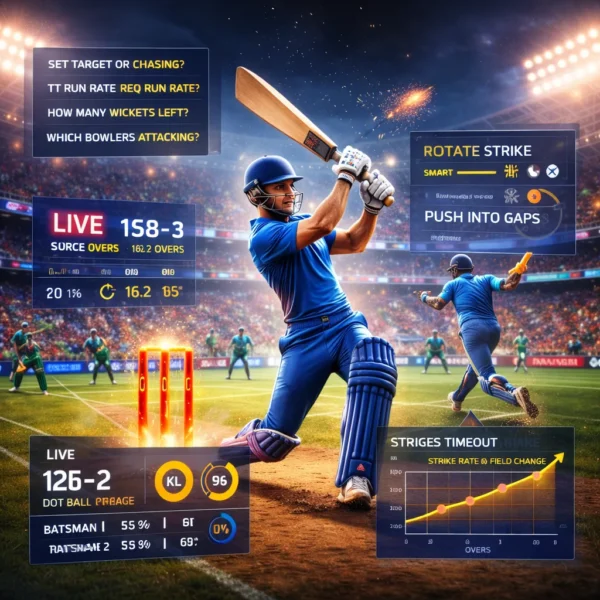
For beginners and intermediate readers, developing a structured way to follow live matches can improve both knowledge and enjoyment. Instead of feeling overwhelmed by fast-paced action, you learn to identify key moments that shape the outcome of the game.
Start with Understanding the Match Situation
Before focusing on individual shots, always look at the bigger picture. The context of the match plays a huge role in shaping Batting Play decisions. Factors such as target score, remaining overs, and pitch conditions influence how aggressively players approach each ball.
Here are a few questions to ask yourself while watching:
- Is the team setting a target or chasing?
- What is the current run rate compared to the required run rate?
- How many wickets are left?
- Which bowlers are currently attacking?
By answering these questions, you begin to see Batting Play as a strategic process rather than random hitting.
Focus on Strike Rotation, Not Just Boundaries
One common mistake beginners make is only noticing sixes and fours. While big shots are exciting, smart Batting Play often relies on singles and doubles that keep the scoreboard moving. Players who rotate strike effectively reduce pressure and create more scoring opportunities.
Pay attention to moments where batters:
- Push the ball into gaps for quick singles
- Run hard between the wickets
- Change strike to target weaker bowlers
These small details reveal the intelligence behind successful Batting Play and help you appreciate the skill involved.
Use Live Stats to Track Momentum
Real-time statistics are powerful tools for understanding Batting Play. Instead of relying only on commentary, use live score apps or dashboards to monitor how players perform over time.
Important stats to watch include:
- Strike rate changes after powerplay overs
- Dot ball percentage
- Partnership run contribution
- Runs scored in each over
For example, if a batter’s strike rate drops below the team average, it may signal that they are struggling with a specific bowler. Recognizing these trends makes live viewing more interactive and analytical.
Observe Batting Partnerships Closely
Partnerships are the backbone of effective Batting Play in T20 matches. Even if individual players are talented, strong partnerships often determine whether a team reaches a competitive total. Watching how two batters communicate, rotate strike, and balance aggression can teach you a lot about team strategy.
Look for signs of a strong partnership, such as:
- Consistent scoring without risky shots
- Clear communication between players
- Gradual increase in run rate after settling in
When partnerships grow, the batting side gains confidence, which can shift match momentum significantly.
Learn to Predict Batting Play Shifts
Experienced fans often predict when a team will change its batting approach. These shifts usually happen during specific phases of the game, such as after a strategic timeout or when a new bowler enters the attack.
Some signals that Batting Play may change include:
- A batter reaching a milestone like 30 or 50 runs
- A power hitter walking onto the field
- The required run rate increasing rapidly
- Field placements moving closer to the boundary
By recognizing these patterns, you can anticipate exciting moments before they happen.
Smart Viewing Tips for Beginners
If you are new to following live cricket, try these practical tips to improve your Batting Play understanding:
- Watch one batter closely for an entire innings and analyze their decision-making.
- Compare early overs scoring with final overs acceleration.
- Listen to expert analysis during breaks to learn strategic insights.
- Keep an eye on how batters respond after losing a wicket.
These simple habits can turn casual watching into a more informed and enjoyable experience.
Balancing Entertainment with Analysis
While analyzing Batting Play is useful, it’s important to enjoy the entertainment side of cricket as well. T20 World Cup matches are designed to be thrilling, and sometimes unexpected moments make the game memorable. Smart viewers balance excitement with understanding, appreciating both big shots and subtle tactical decisions.
Following Batting Play smartly not only improves your cricket knowledge but also builds confidence in reading live match situations. As you continue watching, you’ll notice patterns that once seemed invisible — a slower over setting up a big finish or a cautious partnership building toward an explosive ending.
6. Key Batting Strategies Used by Top T20 World Cup Players
The modern T20 World Cup has changed the way cricket is played, and much of that transformation comes from advanced Batting Play strategies. Today’s top players do not rely only on natural talent; they follow structured plans designed to maximize scoring while minimizing risk. Understanding these strategies helps beginners and intermediate fans see how professional batters think several overs ahead instead of reacting randomly.
Every successful innings in T20 cricket is built on a mix of preparation, awareness, and adaptability. From aggressive powerplay tactics to calculated finishing techniques, Batting Play has evolved into a highly strategic discipline that blends traditional cricket skills with modern innovation.
Aggressive Powerplay Strategy
One of the most common strategies in Batting Play is attacking during the powerplay overs. Since field restrictions limit the number of fielders outside the circle, top players look for scoring opportunities early. However, aggression doesn’t mean careless hitting — it involves calculated risk-taking.
Professional batters often:
- Target specific bowlers who struggle with line and length
- Use lofted drives and cuts to exploit gaps
- Maintain high intent while avoiding risky cross-batted shots
For example, many successful openers aim for a strike rate above 140 during the first six overs, setting a strong foundation for the team.
Rotating Strike During Middle Overs
While powerplay overs are about acceleration, the middle overs focus on stability. Experienced players understand that maintaining momentum through strike rotation is a key element of effective Batting Play. Instead of chasing boundaries every ball, they look for singles and doubles that keep pressure on the bowling side.
Some techniques used during this phase include:
- Soft hands to guide the ball into gaps
- Quick running between wickets
- Using wristy shots against spin bowlers
This approach allows teams to avoid collapses while building a platform for an explosive finish.
Innovative Shot Selection
Modern Batting Play has introduced creative shot-making that was rarely seen in older formats. Players now use scoops, reverse sweeps, ramps, and switch hits to counter defensive field placements. These innovative shots help batters score even against tight bowling strategies.
Key reasons players adopt unconventional shots include:
- Breaking predictable scoring patterns
- Targeting shorter boundaries
- Disrupting a bowler’s rhythm
While these shots look flashy, they require precise timing and practice. Top players only use them when the match situation demands a change in tempo.
The Finisher’s Role in Batting Play
Finishers are specialists who excel during the final overs of a T20 match. Their role in Batting Play is to maximize runs when time is limited. They often face high-pressure situations where every ball counts, and their ability to remain calm is crucial.
Effective finishing strategies involve:
- Targeting yorker-length deliveries with powerful strokes
- Anticipating slower balls or variations
- Clearing the boundary with minimal footwork adjustments
A strong finisher can add 30–40 runs in the last few overs, turning an average total into a winning score.
Reading Bowlers and Adapting Quickly
Another important aspect of Batting Play is the ability to read bowlers in real time. Top T20 World Cup players observe subtle cues, such as a bowler’s grip or run-up speed, to predict upcoming deliveries. This anticipation helps them adjust shot selection instantly.
Adaptability often includes:
- Switching stance against spin bowlers
- Moving across the crease to change angles
- Adjusting timing on slower pitches
These adjustments highlight how Batting Play is as much about intelligence as it is about power.
Building Partnerships Through Communication
Even the most aggressive players rely on teamwork. Strong partnerships allow batters to share pressure and maintain a steady scoring rate. Communication between partners — through quick calls and eye contact — is a crucial part of successful Batting Play.
Signs of a strong partnership include:
- Balanced scoring contributions from both players
- Minimal dot balls
- Gradual increase in scoring pace
These partnerships often become the backbone of match-winning performances.
Lessons Beginners Can Learn from Professional Batting Play
For new cricket fans, observing professional strategies can provide valuable learning opportunities. Instead of focusing only on big shots, try to notice the planning behind each batting decision. Ask yourself:
- Why did the batter slow down after a boundary?
- How did they target a specific bowler?
- What changed when the match entered the death overs?
By asking these questions, you begin to understand Batting Play on a deeper level.
Modern T20 World Cup cricket is a showcase of skill, creativity, and smart decision-making. The strategies used by top players demonstrate that batting success comes from balancing aggression with patience.
7. Tools, Platforms & Technology Behind Real-Time Batting Play Updates
The digital era has completely transformed how fans follow cricket, especially when it comes to Batting Play during the T20 World Cup. Gone are the days when viewers relied only on TV broadcasts or next-day match summaries. Today, advanced tools and platforms deliver real-time insights that help fans understand batting strategies as they unfold. From live analytics dashboards to AI-powered prediction systems, technology plays a major role in making Batting Play more engaging and accessible.

For beginners, these platforms simplify complex match situations, while intermediate fans can dive deeper into performance metrics and tactical analysis. Understanding how these technologies work helps readers make better use of real-time updates during live matches.
Live Score Apps and Streaming Platforms
One of the most common ways fans track Batting Play is through live score applications. These apps provide instant updates, ball-by-ball commentary, and visual statistics that help viewers follow the game even when they are away from a television screen.
Key features offered by modern platforms include:
- Real-time strike rate tracking
- Over-by-over scoring charts
- Player performance comparisons
- Partnership breakdowns
Streaming services also enhance the viewing experience by offering multiple camera angles and expert analysis. Watching replays of specific batting moments allows fans to study shot selection and timing more closely.
Data Analytics and Performance Tracking
Behind every live update lies a powerful analytics system that collects and processes match data. Advanced algorithms analyze Batting Play patterns to provide insights such as scoring zones, boundary percentages, and batting efficiency under pressure.
Some commonly used analytical tools include:
- Wagon Wheel Graphics: Show where a batter scores most of their runs.
- Pitch Maps: Display bowler delivery patterns to explain batting decisions.
- Momentum Graphs: Highlight shifts in scoring rate during key overs.
These visual tools make complex cricket strategies easier to understand, especially for readers who are still learning the technical side of the sport.
Artificial Intelligence in Batting Play Analysis
Artificial intelligence is becoming an important part of live cricket coverage. AI systems analyze historical data and real-time performance to predict possible outcomes, such as projected totals or win probabilities. This adds an extra layer of excitement for fans following Batting Play closely.
AI-driven features often include:
- Predictive run rate models
- Player form analysis based on past matches
- Real-time strategy suggestions during commentary
For example, if a batter consistently scores against spin bowling, AI analytics may highlight that matchup during live broadcasts, helping viewers understand why a certain batting approach is being used.
Wearable Technology and Player Tracking
Modern T20 World Cup teams also use wearable devices to monitor player performance. Sensors track movement, reaction time, and energy levels, providing valuable data that influences Batting Play strategies.
Some benefits of wearable technology include:
- Monitoring player fatigue during long innings
- Improving shot timing through biomechanical analysis
- Enhancing training programs based on performance metrics
While fans may not see all this data directly, it influences the real-time insights shared during live matches.
Social Media and Interactive Engagement
Social media platforms have become an important extension of live cricket coverage. Fans share reactions, analyze Batting Play decisions, and participate in discussions during matches. Many official accounts post instant highlights and short clips that capture key batting moments.
Interactive features often include:
- Polls predicting next-over performance
- Fan discussions about batting tactics
- Quick highlight reels of boundaries and milestones
These interactions make Batting Play feel more community-driven, allowing fans worldwide to engage with the action together.
Benefits of Technology for Beginners and Analysts
Technology makes cricket easier to understand at every level. Beginners benefit from simplified visuals and instant explanations, while experienced fans can dive into deeper analytics.
Advantages of using modern tools include:
- Better understanding of batting strategy in real time
- Access to expert insights without needing technical knowledge
- Faster learning through visual data representation
- Increased engagement with live T20 World Cup matches
By using these platforms wisely, viewers can transform their Batting Play experience from passive watching into active analysis.
The Future of Batting Play Technology
As innovation continues, the future of Batting Play analysis looks even more advanced. Augmented reality graphics, immersive viewing experiences, and deeper AI-driven insights are expected to become standard features in upcoming tournaments. Fans may soon see live shot prediction overlays or personalized analytics tailored to their viewing preferences.
These technological advancements will make the T20 World Cup more interactive than ever before, helping fans understand every batting decision with greater clarity.
8. Common Mistakes Beginners Make While Following Batting Play
Following Batting Play during the T20 World Cup can be exciting, but beginners often misunderstand certain aspects of the game. Because T20 cricket moves quickly, it’s easy to focus only on big shots and ignore the strategic depth behind every innings. Learning about common mistakes helps viewers build a smarter perspective, making live matches more enjoyable and easier to understand.
Many new fans assume that batting success is only about scoring boundaries. In reality, effective Batting Play involves patience, awareness, and teamwork. By avoiding a few basic errors, beginners can develop a more professional approach to watching live cricket action.
Focusing Only on Boundaries and Big Hits
One of the biggest misconceptions is believing that Batting Play is defined only by sixes and fours. While power hitting is important in T20 matches, consistent singles and doubles often create the foundation for a strong innings.
Beginners sometimes overlook moments where a batter:
- Rotates strike to maintain momentum
- Defends strategically to avoid losing wickets
- Builds pressure through steady scoring
Ignoring these elements can make the game feel unpredictable, even though most batting decisions are carefully planned.
Misjudging Strike Rate and Run Rate
Another common mistake is misunderstanding statistics. New viewers may criticize a batter for playing slowly without considering the match situation. For example, a lower strike rate during middle overs may be a strategic choice to stabilize the innings.
When analyzing Batting Play, always compare:
- Current run rate vs required run rate
- Player strike rate vs team average
- Number of wickets remaining
These comparisons provide context and help you see the bigger picture behind each batting decision.
Expecting Constant Aggression
T20 cricket is known for aggressive scoring, but constant attacking isn’t always the smartest approach. Beginners often expect every batter to play risky shots, which can lead to frustration when players adopt a cautious strategy.
Professional Batting Play follows a balanced approach:
- Aggression during field restrictions
- Stability during challenging bowling spells
- Acceleration in the final overs
Understanding this rhythm helps viewers appreciate the tactical flow of a match rather than seeing slow phases as boring.
Ignoring Partnerships and Team Dynamics
Many new fans focus on individual players instead of partnerships. However, strong partnerships are often the key to successful Batting Play. Two players working together can change the match momentum even without scoring many boundaries.
Signs of effective partnerships include:
- Consistent communication between batters
- Balanced scoring contributions
- Gradual increase in run rate
By watching partnerships closely, beginners can better understand how teams build innings under pressure.
Overreacting to Early Wickets
Losing a wicket early in a T20 match may look alarming, but it doesn’t always mean the batting side is in trouble. Experienced teams adjust their Batting Play strategy to recover from setbacks. Beginners sometimes assume the match is already lost after one or two early dismissals.
Instead of reacting emotionally, try to observe:
- How the incoming batter adjusts to the situation
- Whether the team changes scoring tempo
- How field placements influence shot selection
These details reveal how teams adapt and rebuild momentum.
Relying Only on Commentary Without Analysis
Commentary provides valuable insights, but relying solely on it can limit your understanding of Batting Play. Beginners should combine commentary with live stats and visual data to gain a complete perspective.
Try to:
- Compare commentary opinions with real-time numbers
- Watch replay highlights to study shot execution
- Observe field placements during key overs
Developing your own observations makes the viewing experience more engaging and educational.
Tips to Improve Your Batting Play Understanding
If you want to avoid common mistakes and follow Batting Play more effectively, consider these practical tips:
- Track one player’s innings from start to finish to understand their strategy.
- Notice how scoring patterns change between overs.
- Focus on decision-making rather than just outcomes.
- Learn basic cricket terminology to interpret live stats better.
These habits help beginners transition into more confident and informed cricket followers.
Turning Mistakes into Learning Opportunities
Making mistakes while learning about Batting Play is completely normal. Even experienced fans continue to refine their understanding as the game evolves. The key is to stay curious and observe how professional players adapt to pressure, pitch conditions, and opposition strategies.
By avoiding these common errors, you’ll start to see T20 World Cup matches from a more strategic perspective — recognizing the planning and skill behind every batting performance.
9. FAQs About Batting Play in T20 World Cup
Understanding Batting Play becomes easier when common questions are answered clearly. Many beginners and intermediate cricket fans often have similar doubts about batting strategies, live match decisions, and real-time updates. This FAQ section focuses on practical explanations that help readers build confidence while following T20 World Cup action.
What does Batting Play mean in T20 cricket?
Batting Play refers to the overall approach a batter or team uses to score runs during a match. It includes shot selection, strike rotation, partnerships, and adapting to match situations. In the T20 World Cup, Batting Play is especially important because every ball can influence the result. Players must balance aggression with smart decision-making to maintain momentum.
Why do batters sometimes slow down during a match?
Beginners often think a slower scoring rate means poor performance, but that isn’t always true. Batters may reduce aggression to stabilize the innings, especially after losing wickets. Effective Batting Play involves reading the match situation and adjusting tempo to avoid unnecessary risks. Once the team regains control, players often accelerate again.
How can I understand Batting Play through live stats?
Live cricket platforms provide helpful data that makes Batting Play easier to follow. Instead of focusing only on runs scored, watch these indicators:
- Strike rate progression
- Partnership runs
- Dot ball percentage
- Required run rate during chases
These stats show how a batter contributes to the team’s overall strategy, even if they aren’t hitting many boundaries.
What makes a good finisher in Batting Play?
A finisher is a player who excels during the final overs. They remain calm under pressure and use innovative shots to score quickly. Strong Batting Play in the death overs requires timing, power, and awareness of bowler variations. Finishers often practice hitting yorkers and slower balls to maximize scoring opportunities when overs are limited.
Is aggressive Batting Play always better in T20 matches?
Aggression is important, but it must be controlled. Successful Batting Play balances attacking shots with smart placement and running between wickets. Constant aggression can lead to quick wickets, which may hurt the team’s chances. Experienced players know when to attack and when to build the innings patiently.
How do pitch conditions affect Batting Play?
Different pitches influence how batters approach the game. On flat pitches, Batting Play may involve more power hitting because the ball comes onto the bat easily. On slower surfaces, players rely on timing and placement rather than brute force. Watching how batters adjust their technique based on pitch behavior can help beginners understand the tactical side of cricket.
Can beginners predict Batting Play strategies during live matches?
Yes, with practice and observation, beginners can start recognizing patterns. For example:
- Teams often accelerate after the 15th over.
- Power hitters may enter the game when the required run rate increases.
- Batters may target specific bowlers based on past performance.
By observing these trends, you can anticipate strategic shifts and enjoy live matches more deeply.
Why are partnerships important in Batting Play?
Partnerships provide stability and reduce pressure on individual players. Two batters working together can rotate strike, communicate effectively, and maintain a steady scoring rate. Strong partnerships often create the platform for explosive finishes, which is why they are a key element of successful Batting Play.
How can I improve my understanding of Batting Play quickly?
Here are a few simple steps:
- Watch highlights focusing on batting strategies rather than only big shots.
- Compare different players’ strike rates and shot selection.
- Follow expert analysis during mid-innings breaks.
- Use live score apps to track momentum changes.
Consistent observation and curiosity will help you understand Batting Play faster than just watching casually.
This FAQ section covers many of the questions beginners and intermediate readers have while exploring Batting Play in the T20 World Cup. In the final section, we’ll bring everything together with a detailed conclusion, key takeaways, and a strong call to action to help you make the most of live cricket action.
10. Conclusion + Final Tips for Maximizing Batting Play Experience
The T20 World Cup has redefined how fans experience cricket, and at the center of this transformation lies Batting Play. From aggressive powerplay strategies to smart partnerships and explosive finishes, Batting Play shapes the excitement, rhythm, and outcome of every match. Throughout this guide, we explored how modern batting techniques, real-time updates, and technology-driven insights have made live cricket more interactive for beginners and intermediate readers.
Best Alternative Online Exchanges & Platforms to Try in 2026
| Keyword (Clickable Link) | Category | Search Intent |
|---|---|---|
| GoExch9 | Online Betting Platform | Commercial / Informational |
| BetFlash | Betting ID & Exchange | Commercial / Navigational |
| Bet Bhai 9 Casino | Casino ID Platform | Commercial / Informational |
| Tiger365 Online | Sports Betting Platform | Informational / Navigational |
| SportsX9 | Online Sports Exchange | Commercial / Navigational |
Understanding Batting Play is not just about recognizing big shots — it’s about reading the flow of the game. When you learn to observe strike rotation, match phases, and player decision-making, every over becomes more meaningful. Instead of watching cricket passively, you begin to analyze patterns, predict momentum shifts, and appreciate the strategic depth behind each batting performance.
Key Takeaways to Remember
To maximize your enjoyment of live T20 World Cup action, keep these essential points in mind:
- Batting Play is strategic: Successful players balance aggression with patience depending on the match situation.
- Real-time updates matter: Live stats and analytics help you understand why certain batting decisions are made.
- Partnerships build momentum: Consistent communication between batters often leads to match-winning performances.
- Adaptability is crucial: Players adjust their style based on pitch conditions, bowlers, and pressure scenarios.
These insights allow fans to see cricket from a professional perspective, making every match more engaging.
Actionable Tips to Improve Your Viewing Experience
If you want to follow Batting Play like an experienced cricket fan, try applying these practical strategies during live matches:
- Track scoring patterns during different phases — powerplay, middle overs, and death overs.
- Use live score apps to monitor strike rate and partnership data.
- Watch how top players adapt after facing challenging overs.
- Focus on decision-making rather than just results.
These habits help you develop a deeper understanding of T20 World Cup dynamics and enhance your overall cricket knowledge.
Building Long-Term Cricket Knowledge Through Batting Play
One of the biggest advantages of learning Batting Play is that it improves your overall appreciation of cricket. As you continue watching live matches, you’ll start recognizing common strategies used by top teams and players. Over time, you may even predict tactical changes before they happen — a skill that makes following cricket incredibly rewarding.
Beginners often begin by enjoying the entertainment side of batting, but as they grow more familiar with real-time updates and analytics, they discover the deeper layers of strategy behind every innings. This journey from casual viewer to informed fan is what makes the T20 World Cup experience truly special.
Internal Linking Suggestions
To strengthen your website’s SEO and provide additional value to readers, consider linking this blog with:
- Guides explaining T20 World Cup rules and formats
- Player performance analysis articles
- Live match prediction and strategy blogs
- Tutorials on reading cricket statistics
Internal linking helps readers explore related topics while improving website authority.
External Authority References (Generic)
For added credibility, you may reference insights from recognized cricket organizations, professional commentators, and official tournament analytics platforms. These sources often provide expert opinions on Batting Play trends, player performance metrics, and evolving strategies in modern T20 cricket.
Final Words & Strong Call To Action
The beauty of the T20 World Cup lies in its unpredictability, and mastering the basics of Batting Play allows you to enjoy every moment with confidence. Whether you’re watching live matches, following real-time updates, or analyzing player strategies, understanding Batting Play turns cricket into a more immersive and rewarding experience.
Now it’s your turn — start applying these insights during the next live match. Observe how players build their innings, track scoring momentum, and notice the strategic decisions that shape the game. Stay connected with live updates, continue learning, and make every T20 World Cup match more exciting by viewing Batting Play through a smarter, more informed lens.